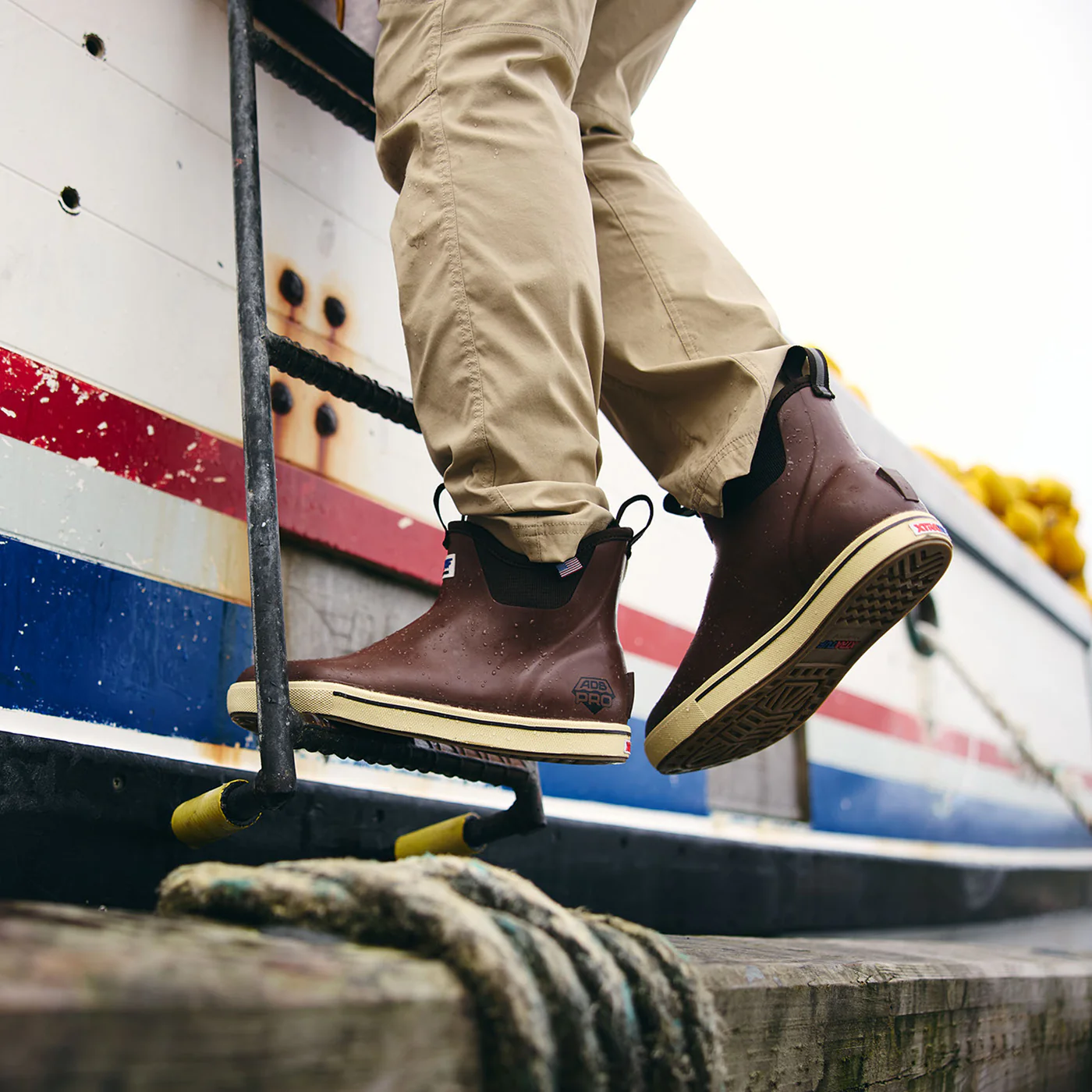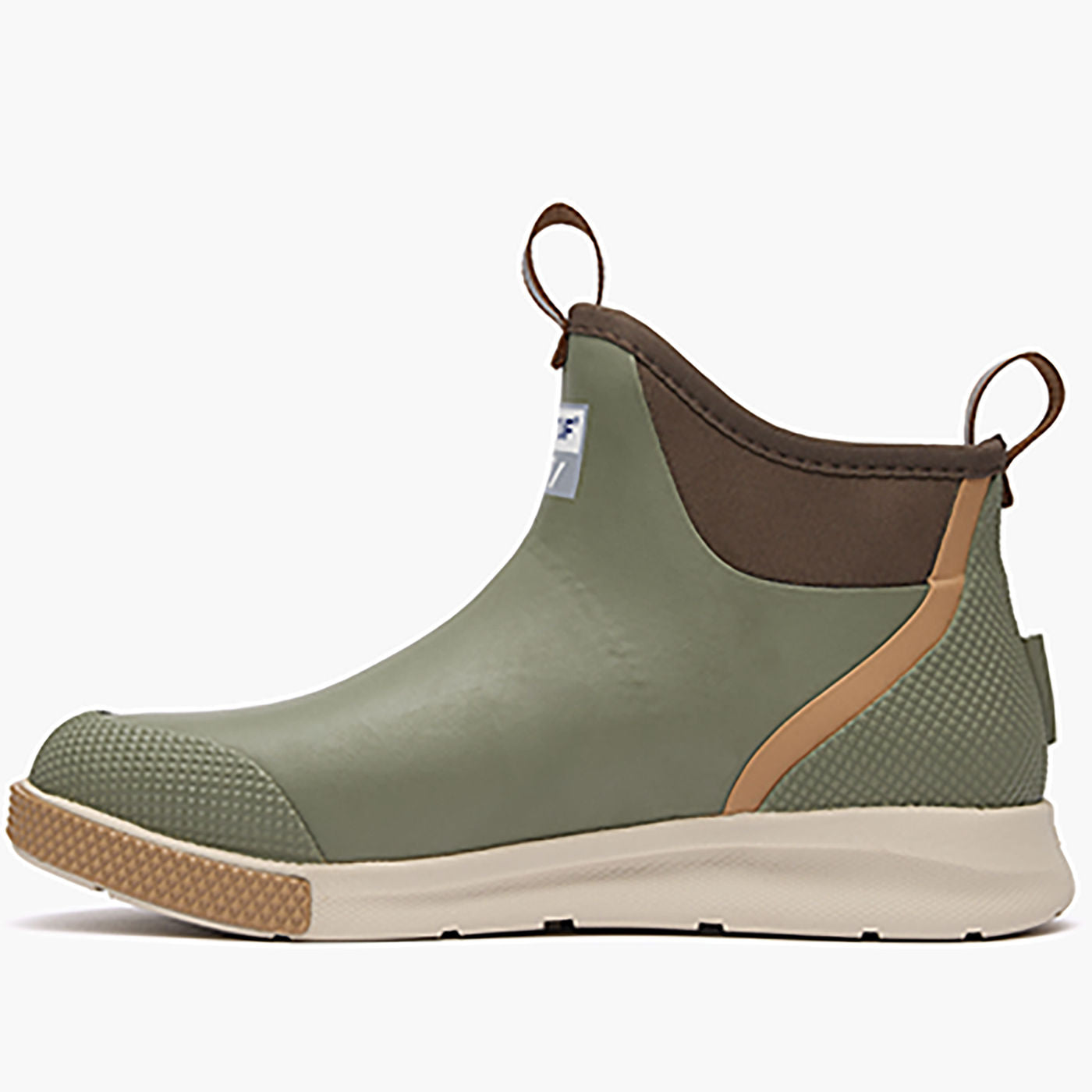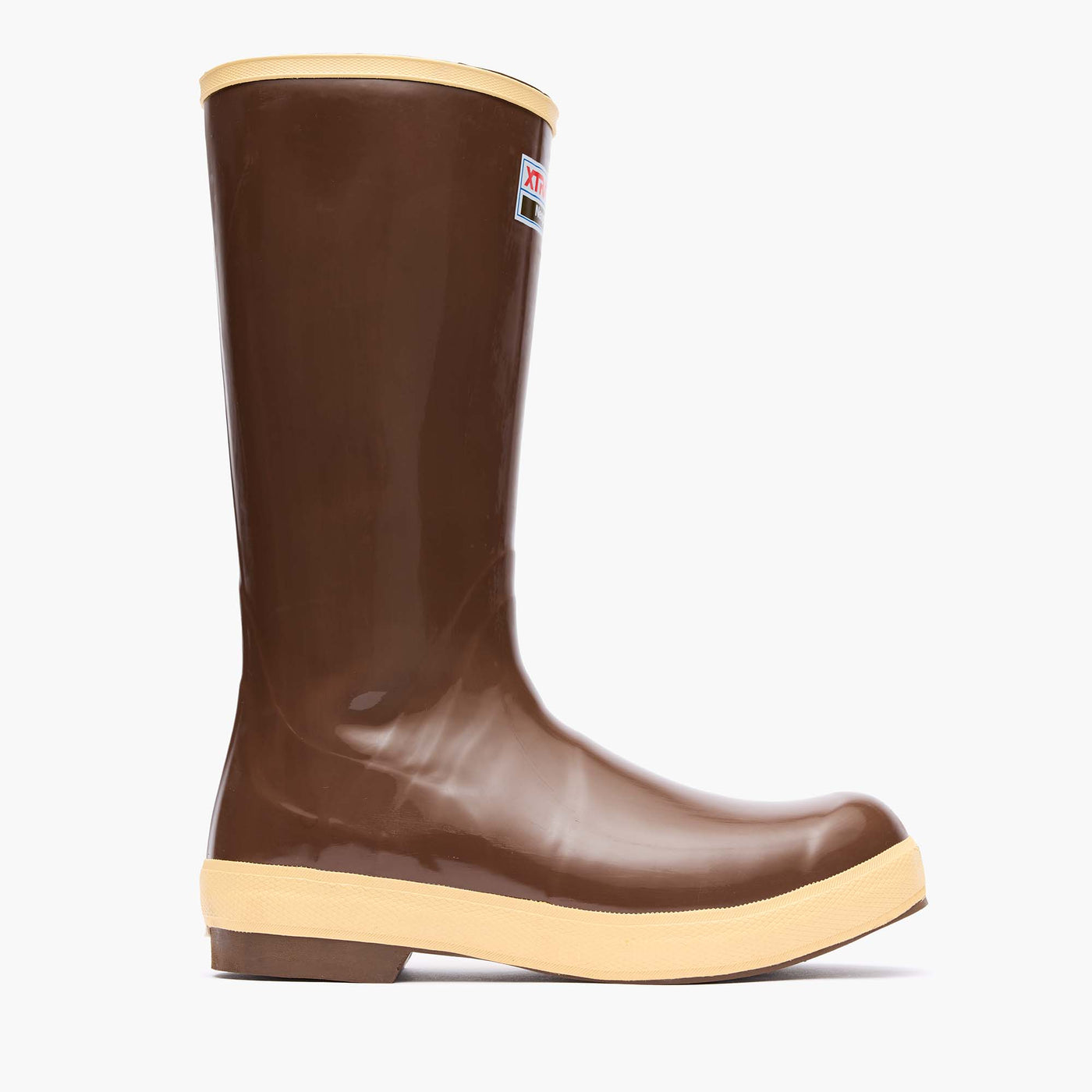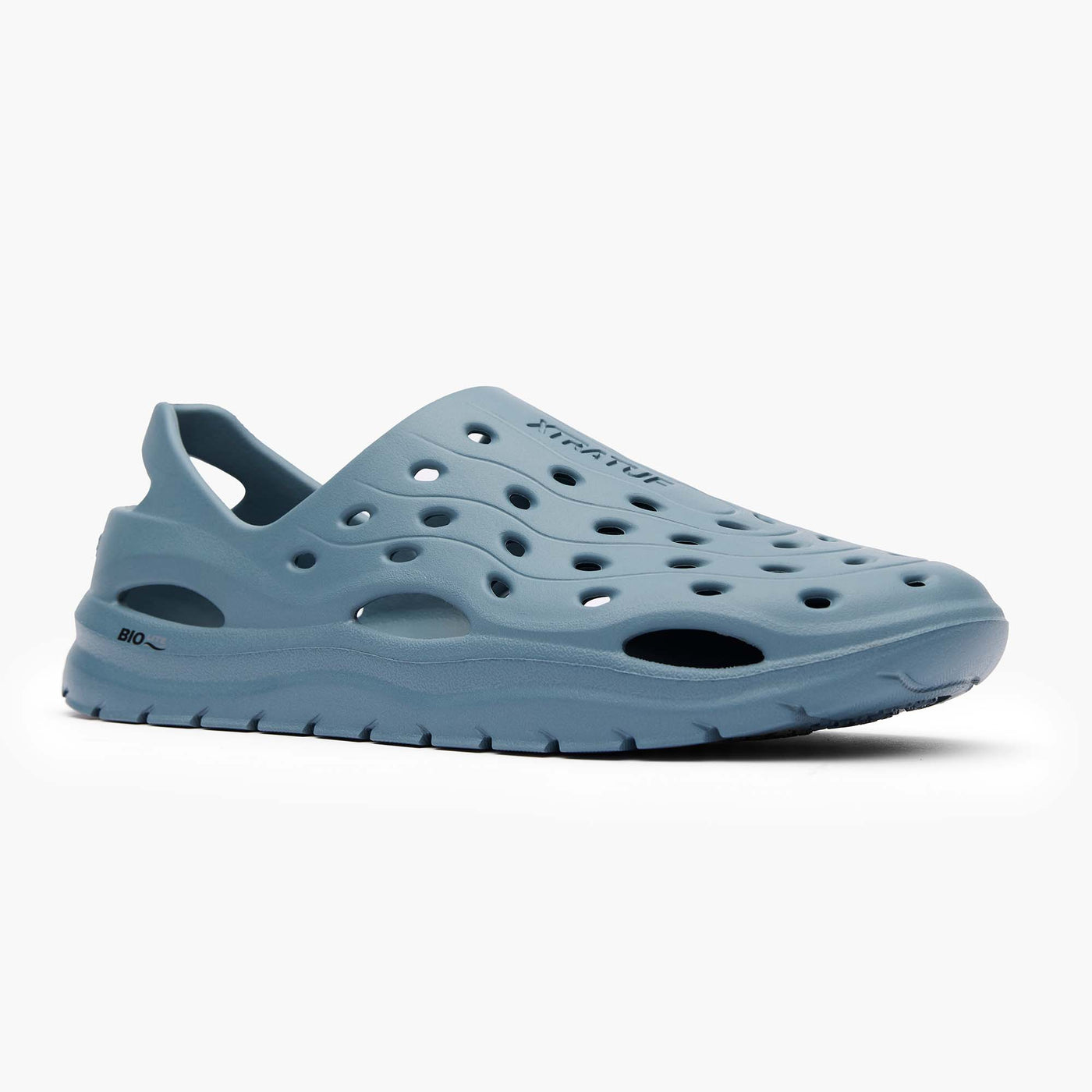
Light end
Unisex Riptide Sandal
0.50 lb
3 inches
Consider this lane when drainage, low weight, and warm wet-weather use matter more than boot coverage.
XTRATUF lists 0.50 lbs at size 8M.
XTRATUF Quick Buyer Guide
Pick the lightest boot that still does the job.
If you just need the number, start here: current examples run from half-pound water footwear to tall Legacy-style boots in the three-pound average-weight lane.
Examples reviewed July 29, 2026 range from 0.50 lb for the Riptide Sandal to 3.00 lb average-weight listings for 15-inch Legacy examples. Sport ankle boots sit at 1.00-1.10 lb in the examples below; a tall comp-toe work boot is 2.30 lb.
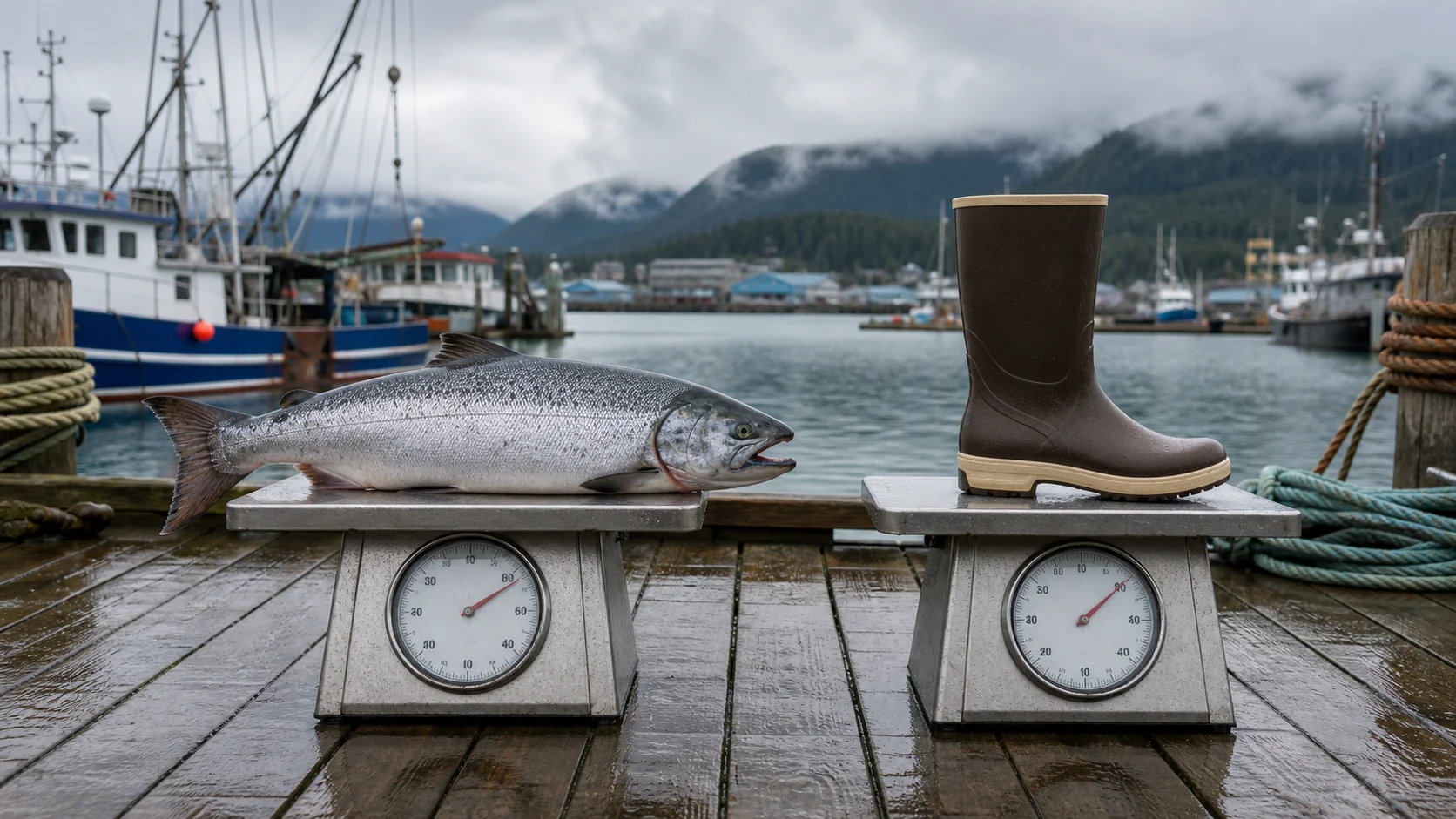
Quick Answer
Use these markers: 0.50 lb for light water footwear, about 1 lb for Sport ankle boots, 2.30 lb for comp-toe work structure, and 3.00 lb for tall Legacy examples. Then choose the lightest option that still solves your day.
The practical split is easy: sandals and drainable footwear are the light end, Sport ankle boots are the lighter boot lane, and tall Legacy-style boots carry more material.
If boot weight is a dealbreaker, confirm the exact model, size, color, and return terms before checkout.
Average-weight language belongs to the product page. Do not treat it as a pair-weight claim unless the source says pair.
Choose By Why Weight Matters
A search visitor asks for pounds, but the useful decision is simpler: packing, walking, coverage, warmth, or work protection.
Start with the lightest footwear lane when every ounce in the bag matters.
Walking more ~1 lbUse ankle boots first when movement matters more than tall coverage.
Needing coverage 2.30-3.00 lbLook at tall Legacy-style options when water height or work protection is the real need.
Checking exact specs Exact pageOpen the current product page when weight is a dealbreaker for your exact size.
Use this strip to decide which lane deserves a closer look; the next table carries the comparison.
This page uses product listings reviewed July 29, 2026 and keeps the old X-Tough values in a separate archive section.
Current Examples
The table answers first. Product cards below add context only where they help you choose the right lane.
| Current example | Style | Listed height | Listed weight | Best buyer lane |
|---|---|---|---|---|
| Unisex Riptide Sandal | XRS200 | 3 inches | 0.50 lbs at size 8M | Packing light, warm wet days, and drainage-first use |
| Women's Ankle Deck Boot Sport | XADSW900 | 6 inches | 1.00 lb at size 8M | Light waterproof ankle coverage for quick movement |
| Men's Ankle Deck Boot Sport | ADSM300 | 6 inches | 1.10 lbs at size 10M | All-day deck walks when tall coverage is not needed |
| Men's 15-Inch Comp Toe Legacy Boot | XMLCT900 | 15 inches | 2.30 lbs at size 10M | Work protection when toe coverage matters |
| Men's 15-Inch Legacy Boot | 22272G | 15 inches | Average weight 3.00 lbs at size 8M | Tall rubber coverage for fishing, docks, and wet work |
| Men's 15-Inch Insulated Elite Legacy Boot | 22613 | 15 inches | Average weight 3.00 lbs at size 8M | Cold/wet coverage when warmth earns the weight |
Consider this lane when drainage, low weight, and warm wet-weather use matter more than boot coverage.
XTRATUF lists 0.50 lbs at size 8M.
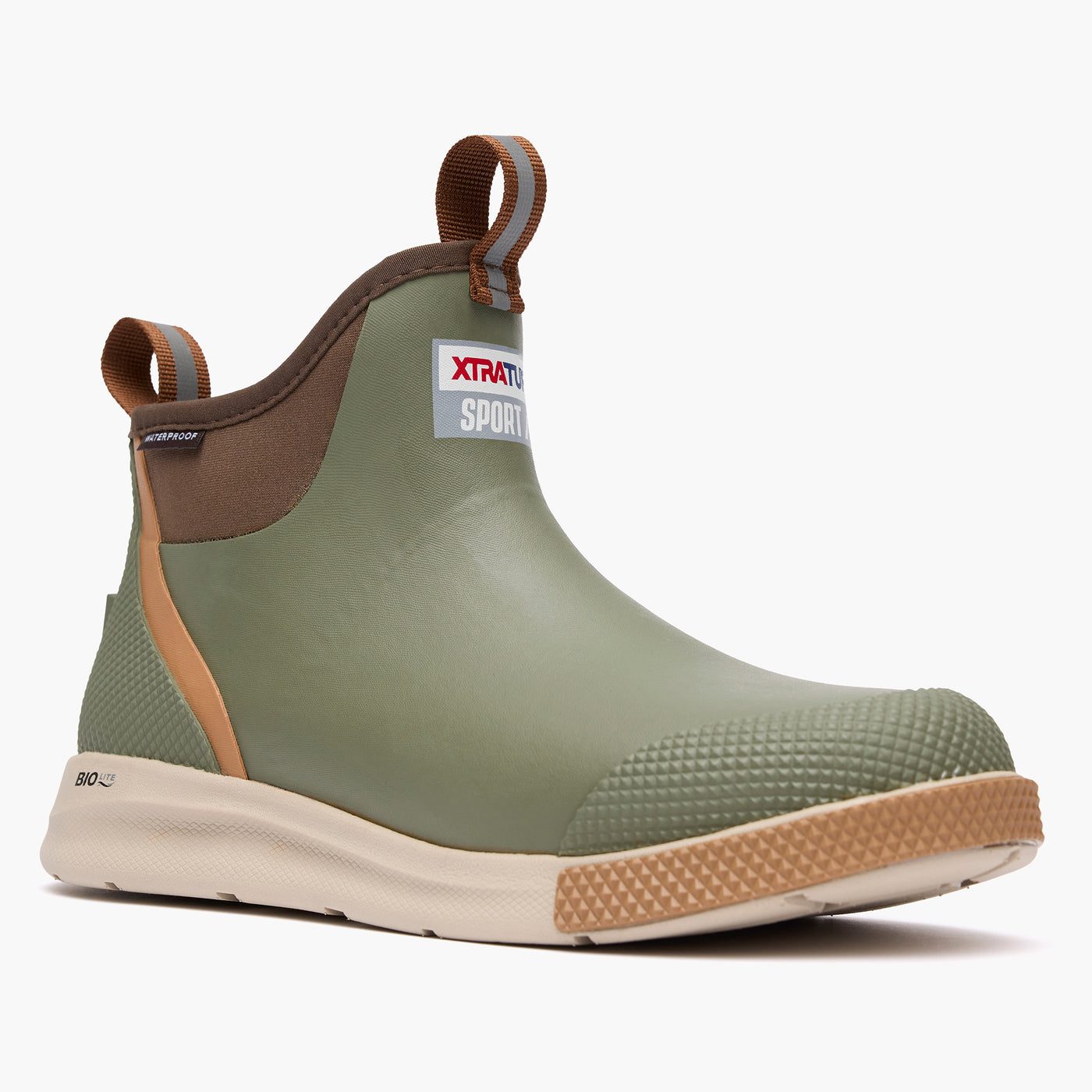
Use this as the practical lighter-boot point for walking, boat ramps, and wet errands.
XTRATUF lists 1.10 lbs at size 10M.
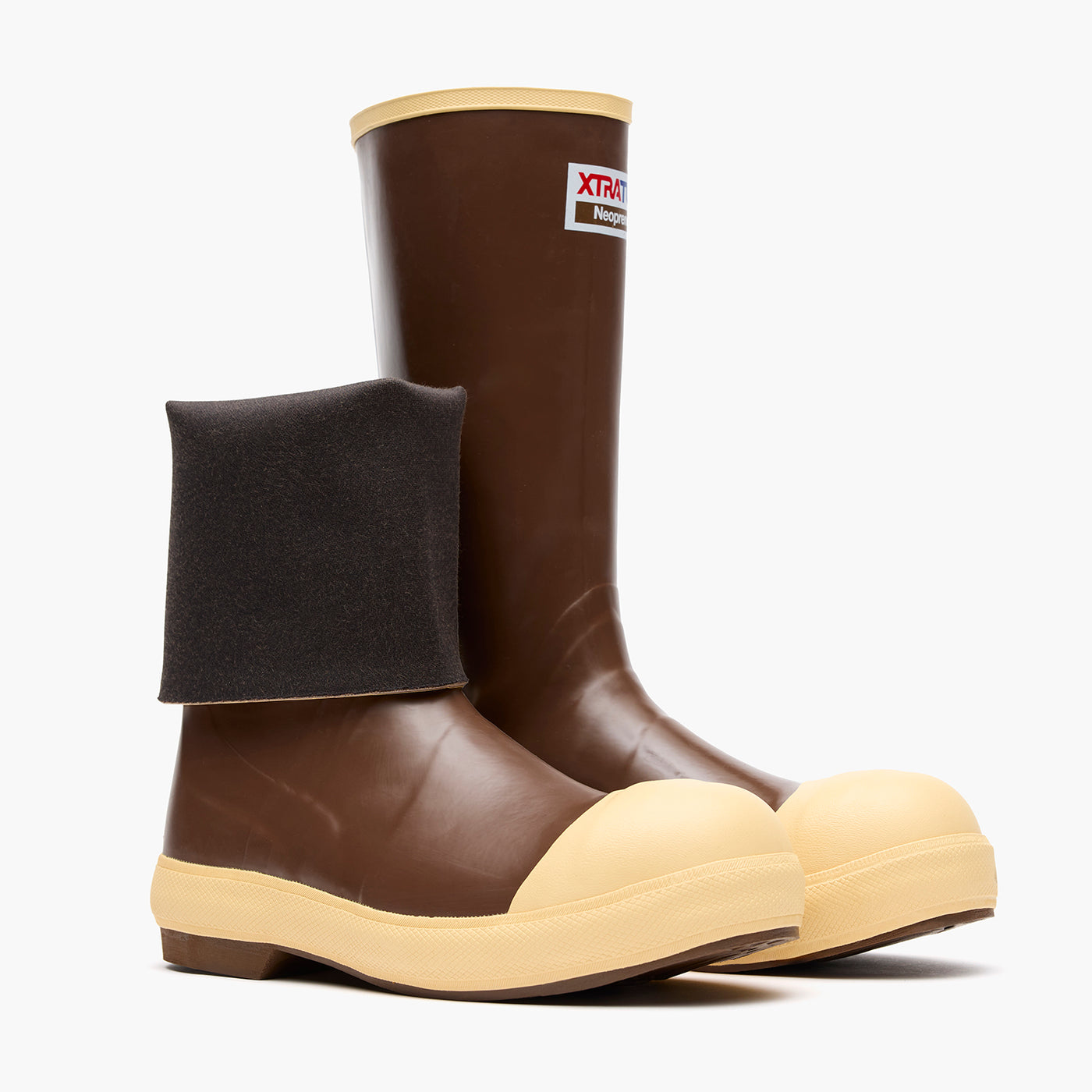
Use this when protective work structure is part of the comparison and toe coverage matters.
XTRATUF lists 2.30 lbs at size 10M.
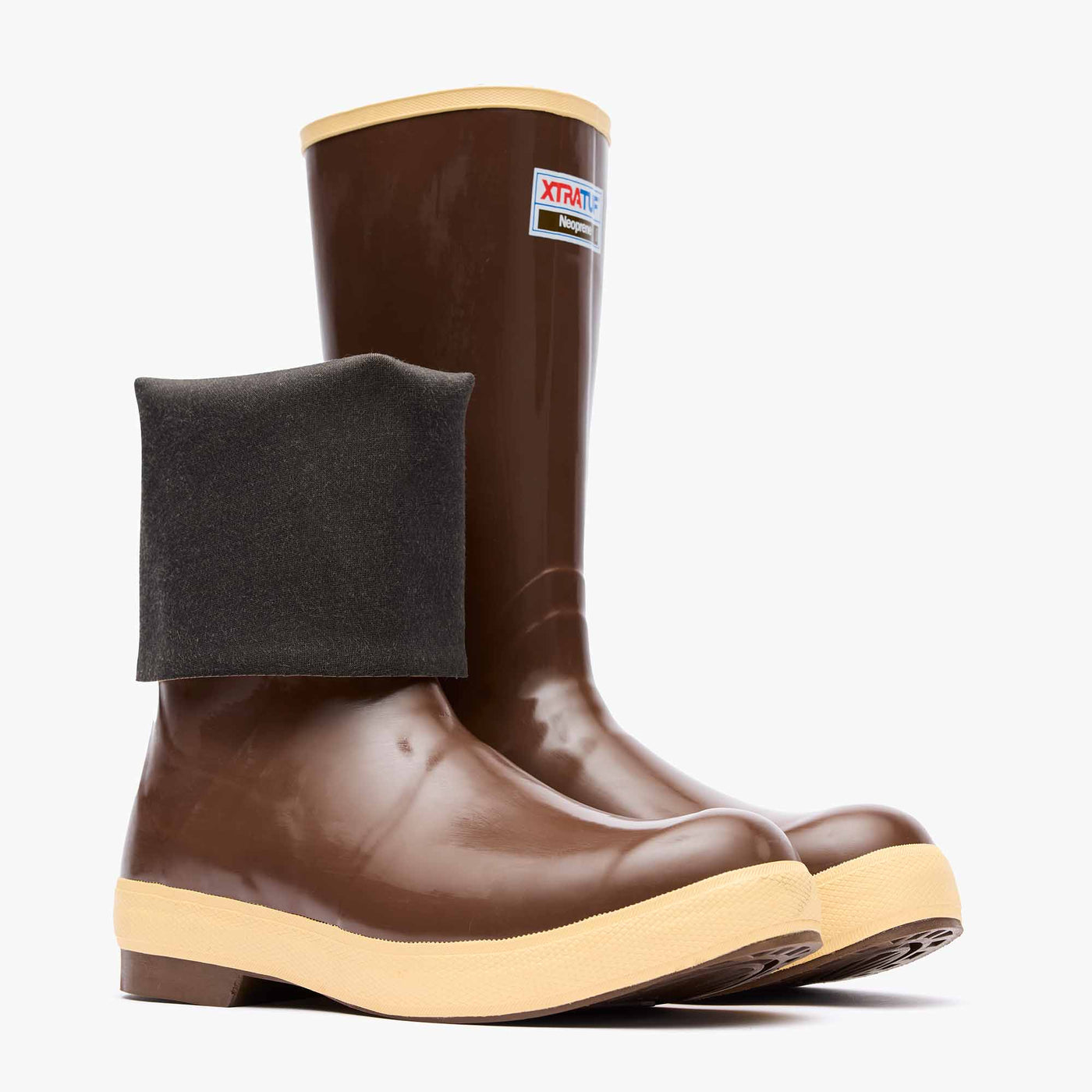
Use this as the classic tall Legacy lane for fishing, dock work, and wet jobs.
XTRATUF lists average weight at 3.00 lbs for size 8M.
These examples are useful for orientation. Product pages and retailer details can change, so verify the exact listing before buying.
Decision Notes
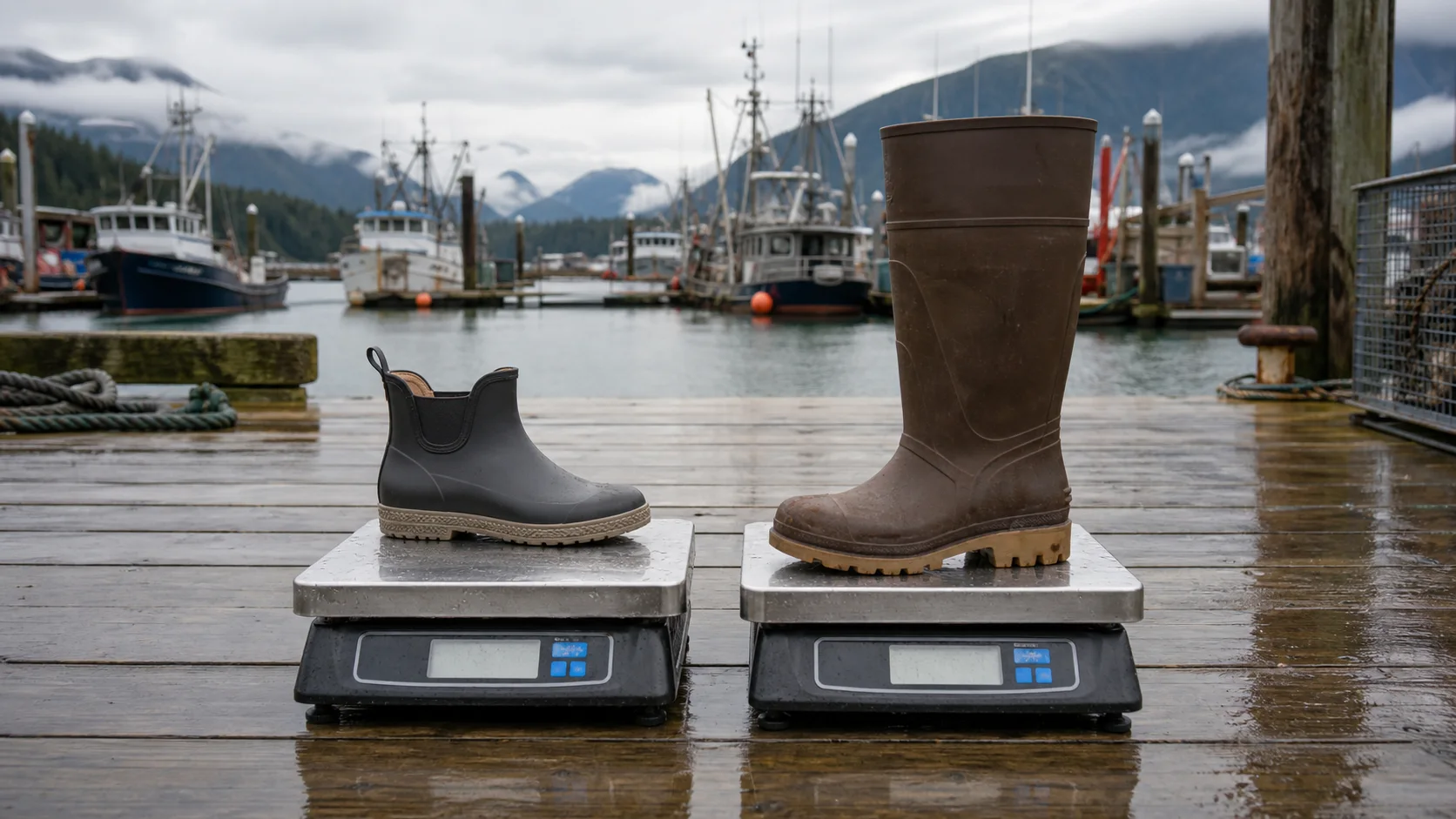
Weight matters when you are walking far, packing light, wearing boots for a full shift, or choosing between short ankle coverage and a tall rubber shaft.
It matters less when the heavier boot solves the real problem: water height, cold, mud, toe protection, or workplace requirements.
Buyer Check
The most common weight drivers are shaft height, material volume, insulation, outsole structure, and safety features.
Because weight is listed against a specific size on many product pages, use the number as a comparison point and confirm the exact listing before checkout.
Historical Reference
The old table stays here as historical context for short-versus-tall patterns; it should not lead a current buying decision.
| Archived boot type | Pair weight | Pair weight metric | Shipping weight | Shipping weight metric |
|---|---|---|---|---|
| 6-inch insulated boots | 3.5 lb | 1.59 kg | 4.0 lb | 1.81 kg |
| 12-inch boots | 3.8 lb | 1.72 kg | 5.3 lb | 2.40 kg |
| 16-inch boots | 4.5 lb | 2.04 kg | 5.0 lb | 2.27 kg |
| 16-inch insulated boots | 5.2 lb | 2.36 kg | 5.7 lb | 2.59 kg |
| 16-inch safety boots | 5.3 lb | 2.40 kg | 5.8 lb | 2.63 kg |
| 16-inch insulated safety boots | 6.0 lb | 2.72 kg | 6.5 lb | 2.95 kg |
Shipping weight can include packaging, box weight, and handling details.
Final Check
Before buying, confirm the product page for the exact style, size, color, and retailer path.
Use the style number and current product page rather than a similar product name.
The listed size is part of the claim. Do not assume every size weighs the same.
If weight affects comfort, return terms are part of the buying decision.
Next Steps
Do not send every reader to the same next page. Match the link to the reason weight mattered.