X-Tough is an independent buying guide. We may earn a commission through paid retailer links. Affiliate disclosure Editorial policy

Wet Work Explainer

What Is Brewery Cellaring?

Brewery cellaring is the cold-side work where beer ferments, conditions, transfers, gets cleaned up after, and becomes ready for packaging.

A cellar person spends a lot of time around stainless tanks, pumps, clamps, hoses, floor drains, yeast slurry, hot water, caustic cleaner, acid cleaner, and sanitizer. The job is not just brewing romance; it is wet production work.

When brewers talk about tank washdowns, chemical cleanings, or CIP, they usually mean turning a dirty fermentation vessel back into a clean, sanitized tank for the next batch.

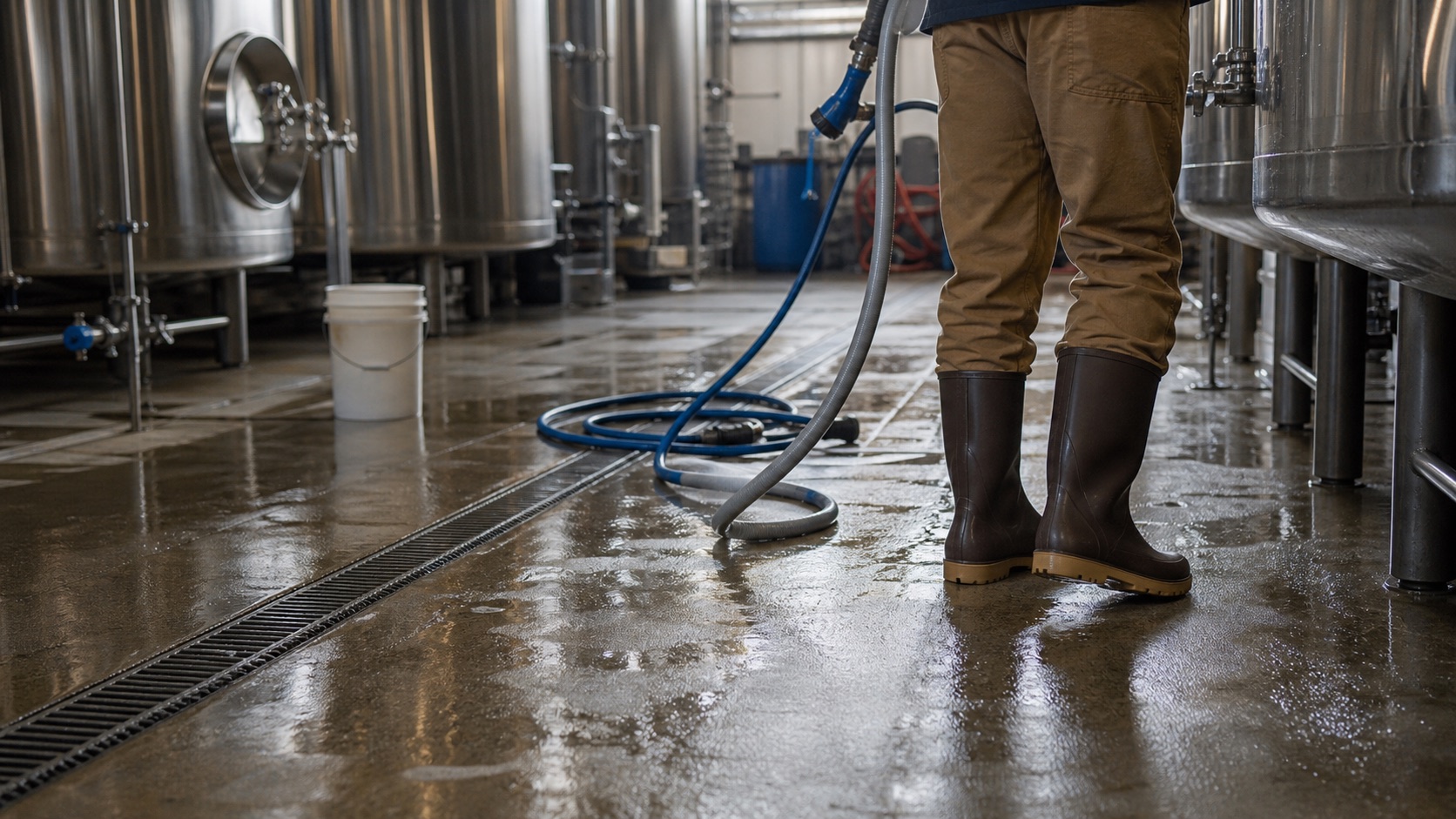
Brewery cellar floor with fermentation tanks, washdown hoses, floor drains, and waterproof work boots.
The cellar is wet work: tanks, drains, hoses, cleaning chemistry, and long standing time on slick floors.
Quick answer

In everyday brewery language, this job is often called running a CIP loop, CIP'ing a tank, flipping a tank, pushing caustic, dumping and washing, or slinging hoses.

Common phrase Running a CIP loop
Floor condition Wet, slick, and drained
Footwear check Waterproof plus exact chemical rating
By X-Tough Editorial Team Published 5-minute read
Brewery cellar floor with fermentation tanks, washdown hoses, floor drains, and waterproof work boots.
The cellar is wet work: tanks, drains, hoses, cleaning chemistry, and long standing time on slick floors.

Cellar Language

The Phrases You Will Actually Hear

The long version is tank washdowns and chemical cleanings. In a working cellar, people usually use shorter phrases tied to the exact job in front of them.

CIP

Running a CIP loop

CIP means Clean-in-Place: circulating cleaning liquid through tanks, hoses, pumps, and spray hardware without crawling inside the tank to scrub it.

  • You may also hear CIP'ing a tank or running caustic on FV 3.
  • FV usually means fermentation vessel.
Caustic

Pushing caustic

This usually points to the alkaline cleaning cycle, commonly associated with sodium hydroxide chemistry. It is the part of the job people respect because leaks, splashes, and bad hose connections matter.

  • Do not treat a casual phrase as permission to ignore the brewery's SOP, SDS, PPE, or lockout rules.
Reset

Flipping a tank

This is the broader job: taking a tank from emptied and dirty to cleaned, rinsed, sanitized, and ready for the next beer.

  • It can include dropping yeast and trub, setting hoses, running chemical cycles, and confirming the tank is ready.
Hoses

Slinging hoses

This is the physical side of cellaring: dragging wet hoses, clamping fittings, moving pumps, opening valves, and working around drains while the floor is wet.

  • Footing matters because the work area can mix standing water, yeast, trub, cleaner, and hose clutter.

Tank Turnover

What A Tank Washdown Usually Involves

Exact breweries vary. The shape below explains the normal sequence without replacing a brewery's own SOP, chemical label, SDS, or safety lead.

  1. Drop the yeast cake and trub

    After beer transfers out, the cellar worker opens the bottom cone or drain path to remove the dense layer of yeast, hop material, and settled solids.

    • This can leave wet slurry around drains and boots.
    • The floor can become slick before any chemical cycle starts.
  2. Set the CIP loop

    The worker connects hoses, clamps, a pump, and tank fittings so cleaning liquid can circulate through a spray ball or tank-cleaning head.

    • Bad seals, loose clamps, and kinked hoses are the things to catch before pressure and heat enter the system.
    • CIP exists because tank interiors need clean coverage without routine hand scrubbing.
  3. Run the hot caustic wash

    The caustic cycle attacks organic soils such as yeast residue, protein, and hop resin. In practical cellar terms, this is the serious chemical wash.

    • The Brewers Association describes CIP as involving corrosive chemicals and extreme temperatures.
    • Treat the cycle as a chemical-handling task, not just a rinse.
  4. Rinse, then acid clean when scheduled

    Fresh-water rinses clear the previous cleaner. Acid cleaning is used when the brewery needs to remove mineral scale or beerstone from stainless surfaces.

    • Do not mix cleaners casually.
    • Follow the brewery's order, concentration, temperature, and drain rules.
  5. Sanitize before the next batch

    The final step prepares the tank for beer again, often with a no-rinse sanitizer such as PAA where the brewery's SOP calls for it.

    • Peracetic acid is a worker-exposure concern for eyes, skin, and the respiratory tract.
    • A clean tank is not worth a shortcut around ventilation, PPE, or training.

The cellar-worker version

  • It is wet, heavy, repetitive work.
  • The task combines hose handling, chemical awareness, temperature swings, and slick-floor footing.
  • The right footwear question is not only waterproofing; it is exact chemical compatibility for the job.

Footwear Screen

Why Brewery Cellars Are Hard On Boots

A cellar floor asks more from footwear than a rainy sidewalk does. Check the actual hazards before assuming any waterproof boot is right for the job.

Water

Standing water and slurry

Tank dumps, hose rinses, and floor drains can leave wet concrete, yeast residue, and trub around the worker's feet.

  • Look for slip-resistant outsoles and enough coverage for splash and puddle depth.
  • Remember that slip resistance is not a promise that every floor, cleaner, or spill condition is safe.
Chemistry

Caustic, acid, and sanitizer contact

Cellar work can involve alkaline cleaner, acid cleaner, and sanitizers. A boot needs the exact chemical-resistance claim for the chemicals and concentrations the brewery uses.

  • XTRATUF says standard Ankle Deck Boots are not acid chemical resistant.
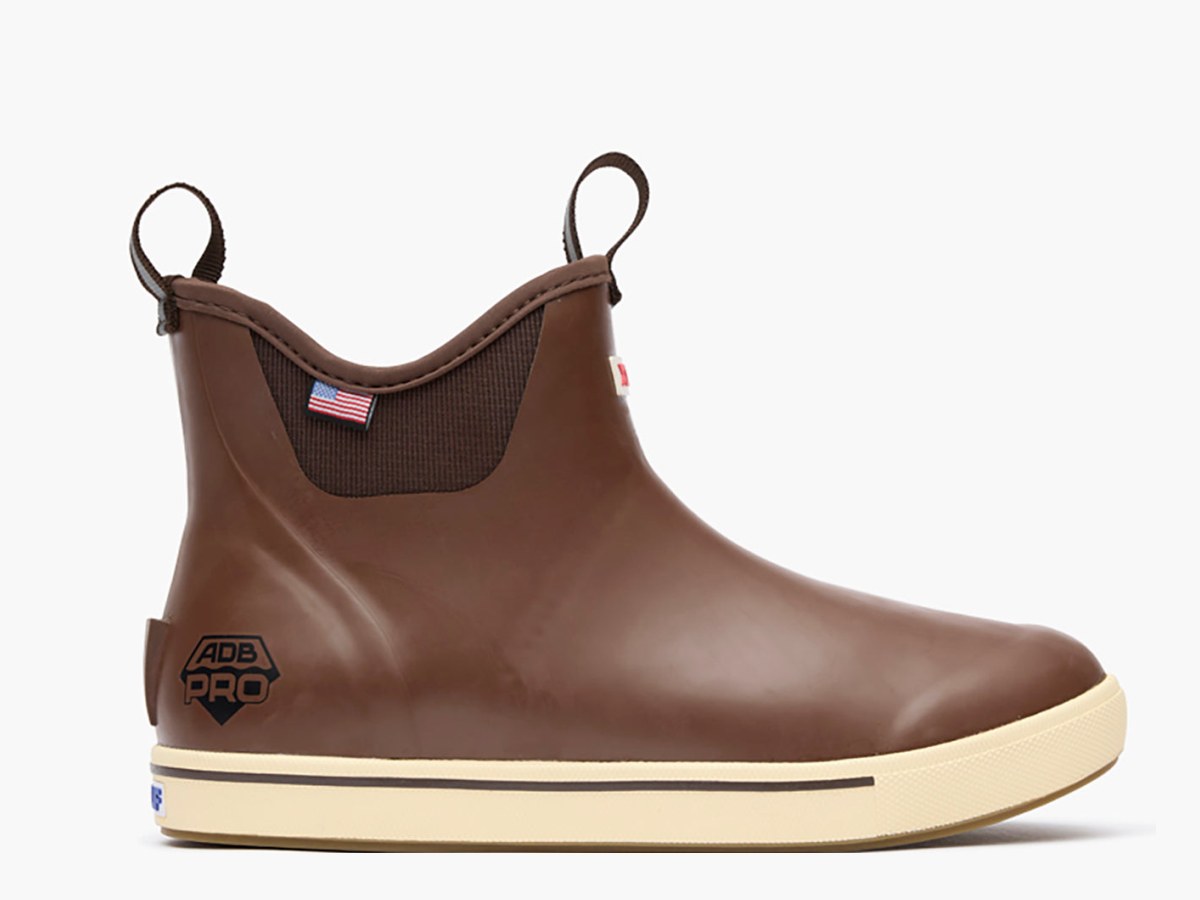
  • XTRATUF lists Legacy and Ankle Deck Boot Pro styles with oil, acid, and chemical resistance language; verify the current exact model before buying.
Temperature

Hot and cold runoff

CIP and rinsing can move between hot cleaning liquid, cooler water, and cold wet floors. Footwear should stay useful through those shifts without becoming a burn shield claim.

  • Boots do not replace chemical aprons, gloves, eye protection, ventilation, training, or emergency wash stations.
Movement

Hoses, clamps, ladders, and valves

The physical work means dragging hoses, working near drains, bending at fittings, and moving around tanks while the floor is wet.

  • Fit matters. A boot that floats on the heel or catches the shaft can become tiring during long cellar shifts.
  • Use the sizing guide before buying for thick socks, insoles, calf room, and return-window checks.

XTRATUF Path

Which XTRATUF Styles Should A Cellar Worker Check First?

If the job involves caustic, acids, or sanitizer exposure, start with exact XTRATUF styles that currently carry oil, acid, and chemical resistance language, then verify the brewery's PPE requirement before buying. Do not assume a standard Ankle Deck Boot has that rating.

XTRATUF's FAQ says Legacy shells are highly resistant to many organic and inorganic acids, chemicals, and contaminants, and also says Ankle Deck Boots are not acid chemical resistant. The Ankle Deck Boot Pro page separately lists oil, acid, and chemical resistant triple-dipped latex neoprene rubber.

For brewery work, the employer's hazard assessment, SDS, and site PPE rules are the authority. X-Tough can help you narrow the product pages to inspect; it cannot certify a boot for your brewery.

Tall coverage path Check Legacy-style boots when splash height and chemical-resistance wording both matter.
Lower boot path Check Ankle Deck Boot Pro only if a lower boot is acceptable for the workplace exposure.
Do not assume Standard Ankle Deck Boots may be waterproof and slip-resistant, but XTRATUF says they are not acid chemical resistant.

Before You Buy

Use This Four-Part Brewery Boot Check

For cellar work, a boot shortlist should start from the job hazard, not from the boot name.

  1. Confirm the chemical list

    Ask what caustic, acid, sanitizer, concentration, and temperature the brewery uses. Match that against the exact current product page and the employer's PPE rule.

  2. Confirm splash height

    A lower boot may be easier to move in, but it may not be enough for tank drains, hose spray, and dump work.

  3. Confirm outsole and floor reality

    Look for slip-resistance language, then remember that yeast, cleaner, trub, and floor texture still decide how the boot behaves underfoot.

  4. Confirm fit before the first shift

    Try the boot clean indoors with the socks and insoles you expect to wear. A loose heel or tight shaft gets old fast when you are dragging hoses.

Source Boundary

How To Read The Safety Claims Here

This page explains the work and the buying-screen logic. It does not replace brewery training, chemical labels, SDS instructions, OSHA obligations, or an employer's PPE hazard assessment.

The product-language boundary matters. Waterproof, slip-resistant, acid chemical resistant, oil resistant, and work-safety certification are different claims. Verify the exact style, current listing, and workplace requirement before treating a boot as job-ready.

  • CIP source: Brewers Association describes CIP as interior equipment cleaning that uses corrosive chemicals and extreme temperatures.
  • Caustic source: OSHA identifies sodium hydroxide as caustic soda and assigns it an NFPA health rating of 3.
  • Sanitizer source: NIOSH's Federal Register request discusses peracetic acid as reactive and irritating to eyes, skin, and the respiratory tract.
  • Footwear source: XTRATUF's FAQ and product pages separate Legacy and Ankle Deck Boot Pro chemical-resistance claims from standard Ankle Deck Boot limits.

Quick Questions

Brewery Cellaring FAQ

Is brewery cellaring the same as brewing?

Not exactly. Brewing usually refers to making wort on the hot side. Cellaring is the production work after that: fermentation, transfers, conditioning, tank cleaning, sanitation, and packaging support.

CIP means Clean-in-Place. In a brewery cellar, it usually means circulating cleaning and sanitizing liquids through tanks and connected hardware without routine hand scrubbing inside the vessel.

It is cellar slang for running the caustic cleaning cycle. The phrase is casual, but the work is chemical handling and should follow the brewery's SOP, SDS, PPE, temperature, concentration, and drain rules.

No. Waterproofing and chemical resistance are separate claims. For example, XTRATUF says standard Ankle Deck Boots are not acid chemical resistant, while some Legacy and Ankle Deck Boot Pro pages carry oil, acid, and chemical resistance language.

No. Boots are only one part of PPE. Brewery chemical work can also require eye protection, gloves, aprons, ventilation, eyewash access, training, and employer-approved procedures.

Next Step

Choose The Next Check

Use the next page based on what you still need to verify.

Brown XTRATUF Ankle Deck Boot Pro product thumbnail.

I need a lower chemical-resistance candidate

Start with the Ankle Deck Boot Pro guide, then verify the exact current source page and the brewery's PPE rule.

Open ADB Pro guide
Brown XTRATUF 12-inch Legacy boots product thumbnail.

I need taller splash coverage

Use the 12-inch Legacy guide when the cellar job points toward a taller boot, then confirm chemical wording on the exact style.

Open Legacy guide
XTRATUF Ankle Deck Boot Pro boots worn on a boat ladder.

I am ready to check sellers

Once the boot path is clear, compare official, retailer, and marketplace routes without relying on stale price or stock claims.

Compare where to buy