X-Tough is an independent buying guide. We may earn a commission through paid retailer links. Affiliate disclosure Editorial policy

Start with Your Feet

Is XPRESSCOOL Right for You?

Choose your main concern. Lining, waterproofing and insulation do different jobs.

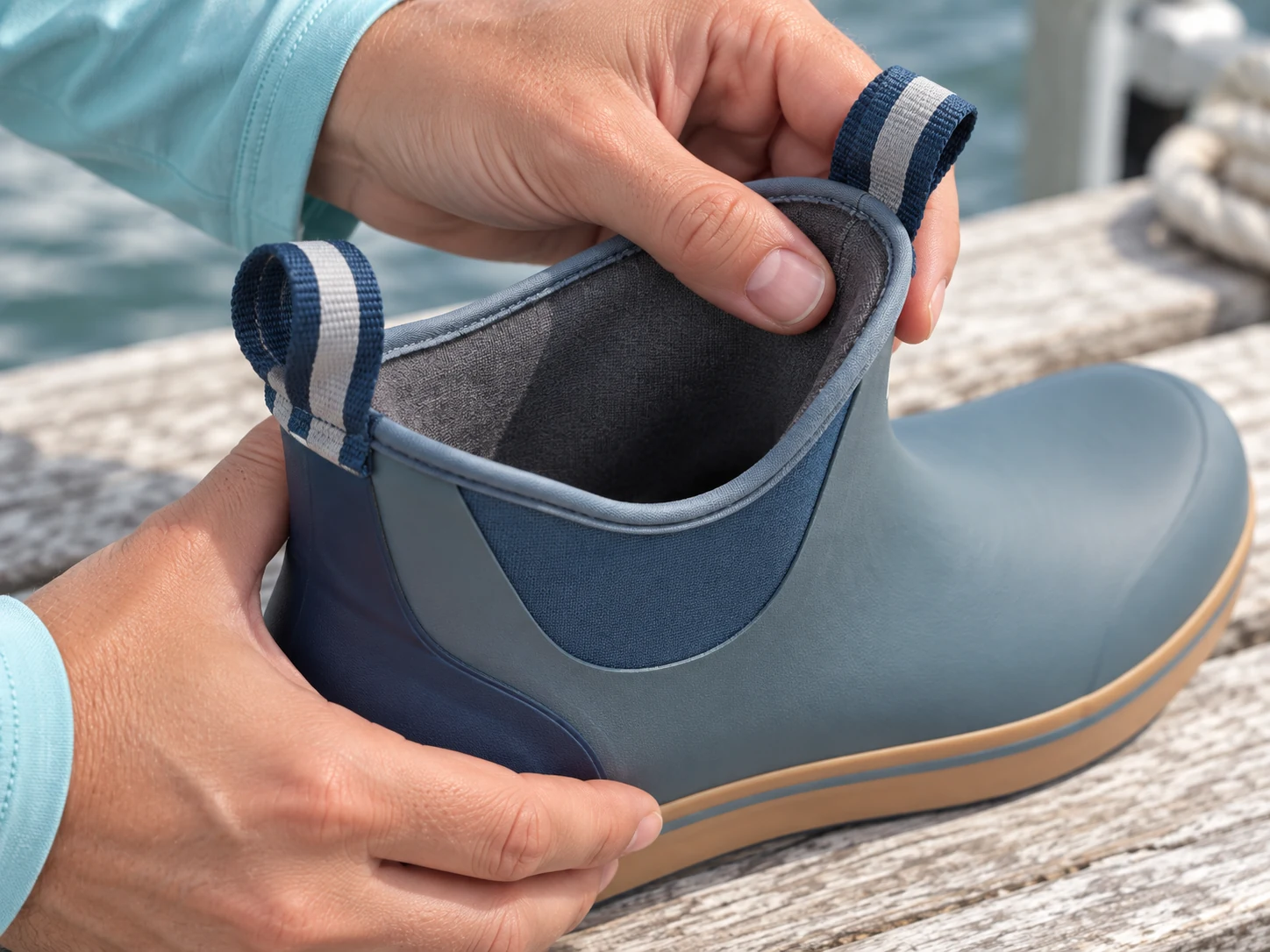
Hands gently opening a blue ankle boot to inspect its inner lining.
Sweaty Feet

Manage Moisture Inside

XPRESSCOOL moves perspiration away from your skin.

When It Helps Moisture management during warm or active days.
Compare Boots with XPRESSCOOL
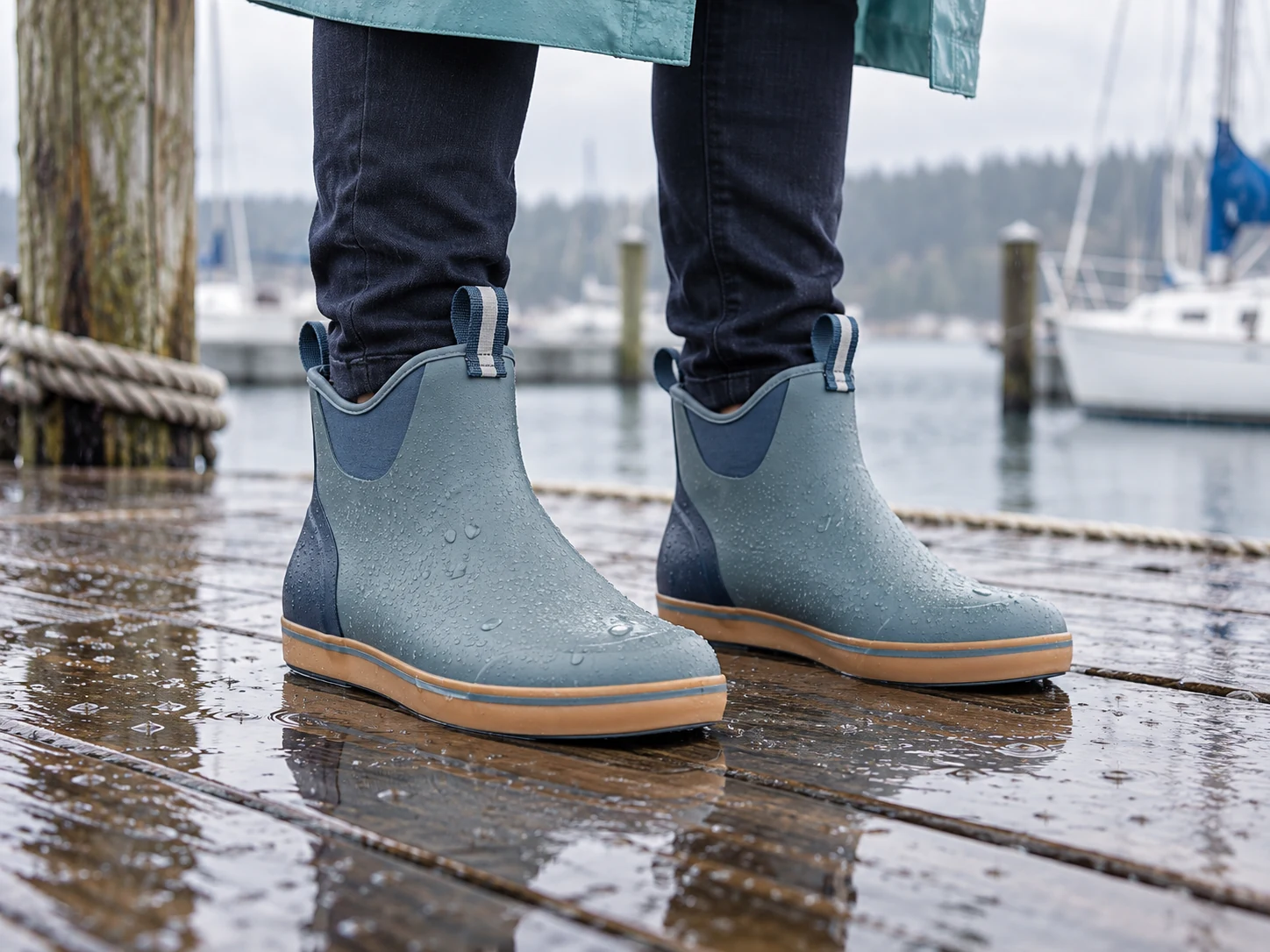
Blue ankle deck boots on a wet dock with water droplets on the rubber.
Water Getting In

Check the Outer Boot

Waterproof construction keeps outside water out.

Check the Opening Water can enter over the top. The lining is not a water barrier.
Work Out Why Your Feet Are Wet
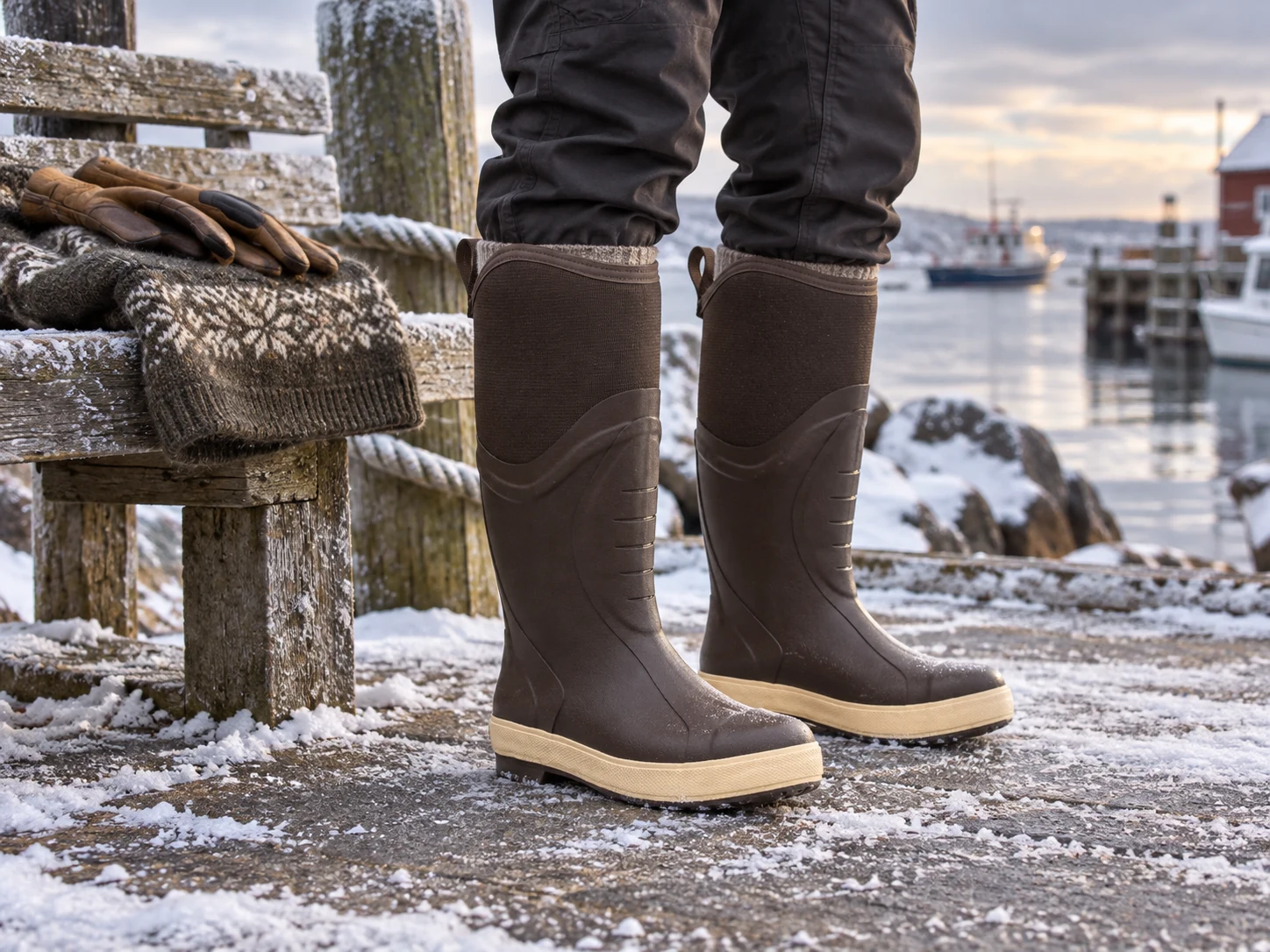
Tall brown insulated boots worn beside a frosty harbor bench.
Cold Feet

Look for Insulation

XPRESSCOOL alone is not an insulation rating.

For Warmth The tall Insulated Elite Legacy lists a 5 mm neoprene bootie.
See the Insulated Elite Legacy
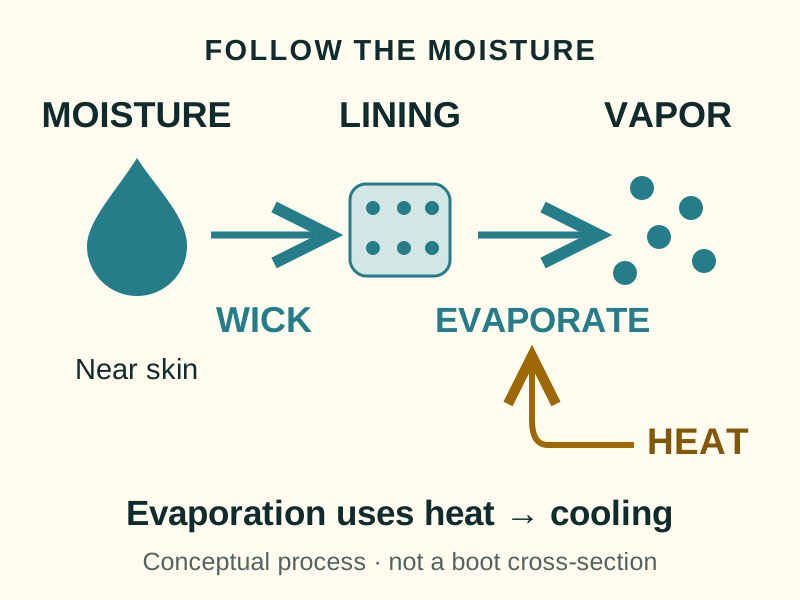
Moisture near skin moves into the lining by wicking. Evaporation turns liquid into water vapor and uses heat, providing the cooling effect. Conceptual process, not a boot cross-section.

Follow the Moisture

How the Lining Helps Moisture Dry

Wicking moves moisture. Evaporation uses heat.

XTRATUF’s lining overview describes drawing moisture away from the skin. The Ankle Deck Boot Sport listing calls XPRESSCOOL an evaporative-cooling liner.

As NOAA explains, evaporation turns liquid water into vapor and requires heat. That links the two parts of the feature: moving moisture and using its evaporation for cooling.

On a warm fishing trip or an active day, the useful aim is to manage perspiration inside a waterproof boot. The cooling comes from moisture evaporating, so think moisture control rather than a cold sensation as soon as you pull the boot on.

During extended wear, the liner can still become damp. XTRATUF does not give these two boots a measured temperature reduction or a time-to-dry, so let your comfort and the day’s conditions guide breaks and drying.

Before You Choose

Check the Exact Boot and Color

The Ankle Deck Boot Sport in Stone lists XPRESSCOOL, while the Olive version lists a breathable mesh liner. A shared family name does not mean every version uses the same lining.

Check the lining for the color you choose. For fit, both pictured boots are listed in Medium (D); the standard boot recommends sizing up for half sizes. Use the size guidance for your chosen model and try it with the socks you plan to wear.

Two Pictured Options

Compare Two Boots with XPRESSCOOL

Both list waterproof construction and XPRESSCOOL. The main choice here is the boot around the lining: traditional hand-laid rubber or the Sport’s foam construction.

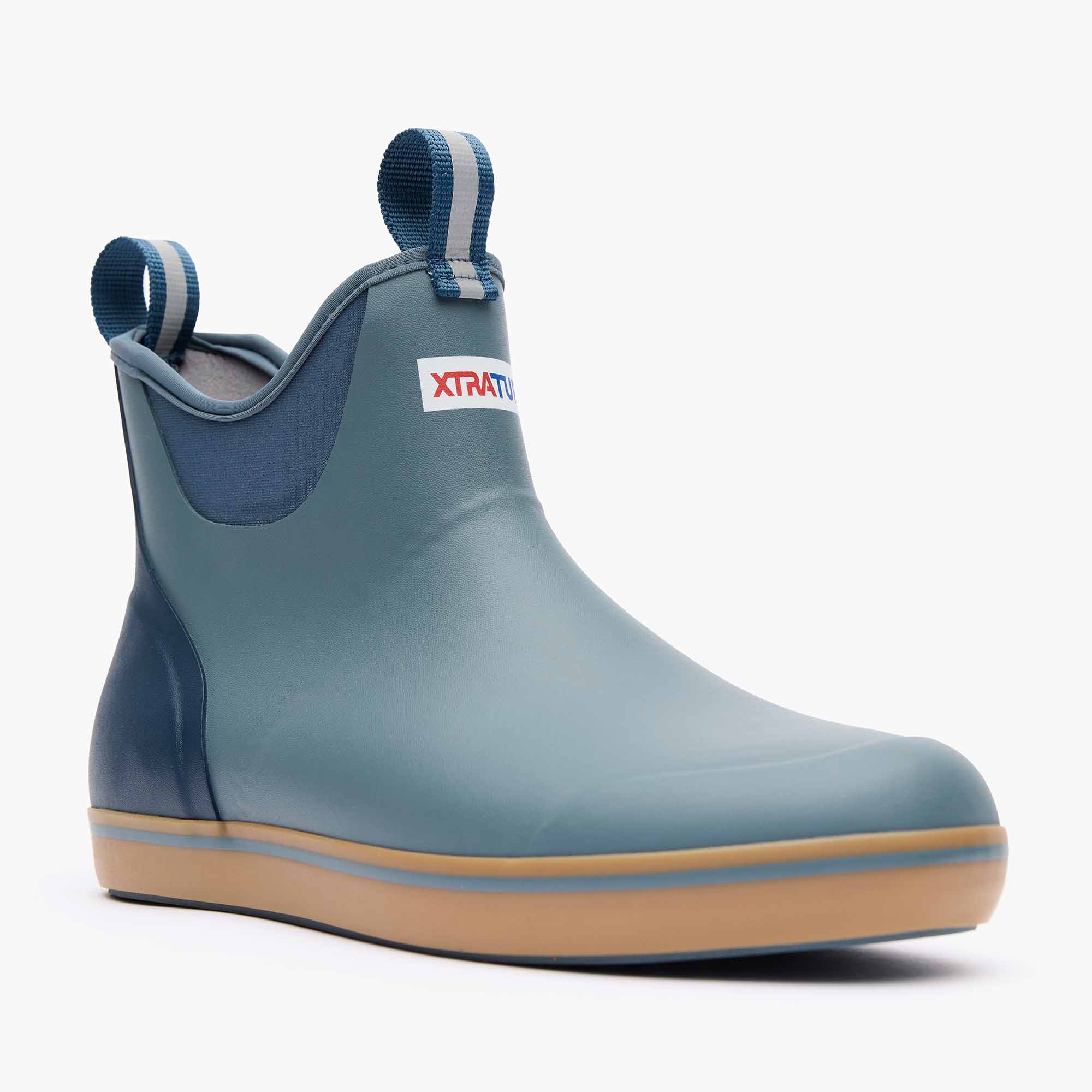
Stormy Blue XTRATUF Men’s Ankle Deck Boot in full three-quarter view.
Stormy Blue

Men’s Ankle Deck Boot

Start here if you want the standard pull-on rubber deck boot for recreational fishing.

Construction Hand-laid rubber; Chevron outsole.
Underfoot Traditional rubber outsole construction.
Fit Medium (D). Half sizes: XTRATUF recommends ordering up.
Use Offshore angling; XTRATUF says this is not a commercial-grade boot.
View Stormy Blue at XTRATUF
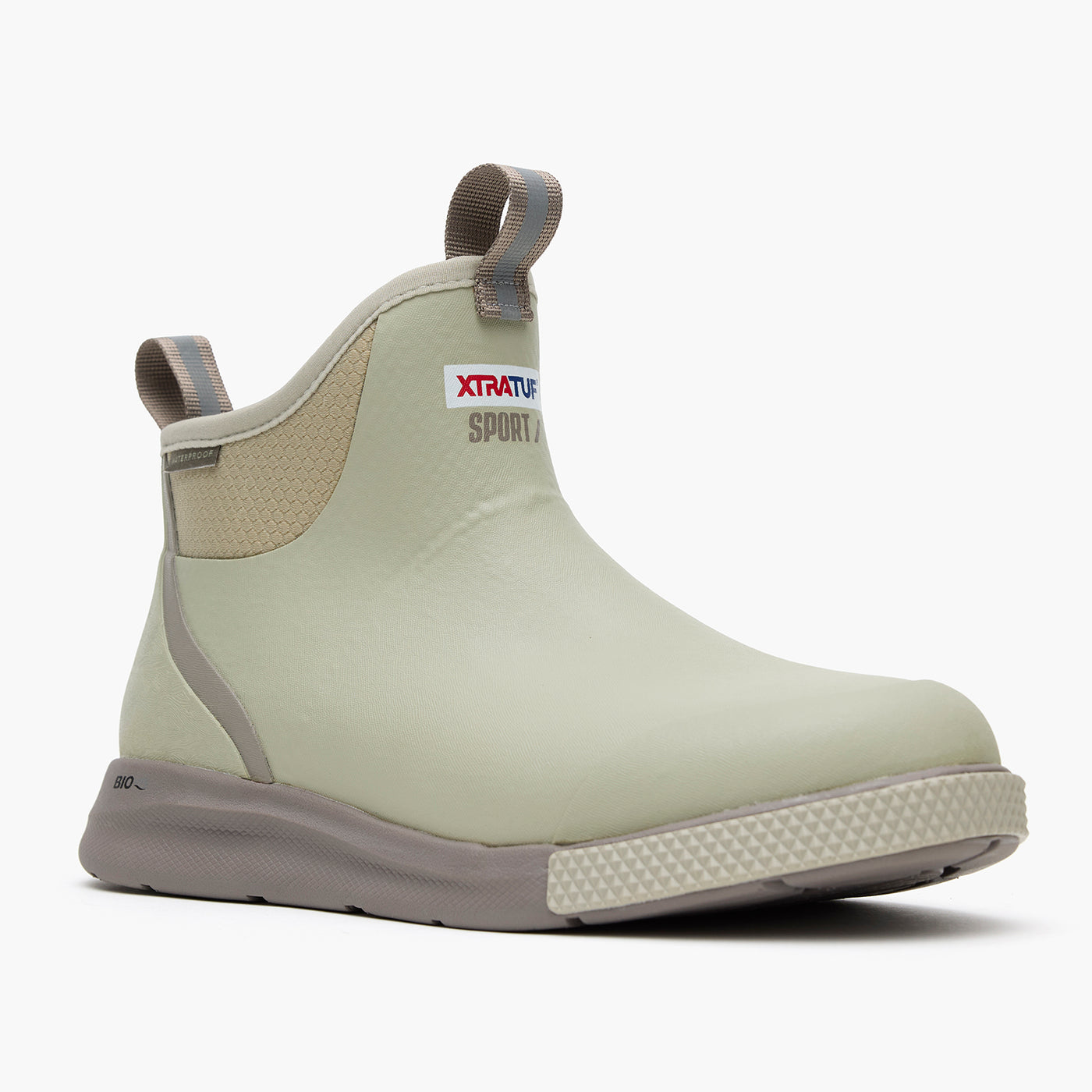
Stone XTRATUF Men’s Ankle Deck Boot Sport in full three-quarter view.
Stone

Men’s Ankle Deck Boot Sport

Consider the Sport if cushioning is your priority: XTRATUF describes its feel as sneaker-like.

Construction Bioprene rubber foam; BioLite EVA outsole.
Underfoot Molded BioLite footbed; cushioning is a stated design focus.
Fit Medium (D). Check the Sport size guide before ordering.
Use Sportfishing design with a one-piece foam outsole.
View Stone at XTRATUF

Want a Different Style or Color?

Browse the XPRESSCOOL collection for men’s and women’s boots, more colors and collaborations. Use the collection’s filters to narrow the options.

Damp Feet? Start with When It Happens

Dampness after activity without outside water exposure points toward perspiration. Wetness after a splash over the opening points toward water entry. These are clues, not a leak test; inspect the boot if the same area repeatedly gets wet.

Let the Inside Dry Before the Next Wear

For rubber and neoprene boots, XTRATUF’s UK care guide recommends natural drying at room temperature, away from radiators and other direct heat. Crumpled newspaper can help absorb water inside.

Clean the outside gently with cold soapy water. Follow any care instructions supplied with your particular boot, and start the next wear with dry socks.

Your Next Question

Compare the Rest of the Boot

What Are the Other Parts Made Of?

Separate shell, lining, footbed and outsole with current model examples.

Read the Materials Guide

How Should the Boot Fit?

Check room for your foot and socks before settling on a size.

Check Sizing and Fit